


Government audits in the healthcare sector have become increasingly common, posing significant risks for providers who may face severe financial penalties and reputational damage. Understanding the mechanisms behind these audits and the critical role of healthcare compliance lawyers can empower providers to facilitate proactive measures and mitigate their risk exposure. This article aims to explore the various facets of healthcare audits, the vital functions performed by compliance attorneys, and strategies to prevent becoming a target for governmental scrutiny. Readers can expect insights into the nature of healthcare audits, the implications of fraud allegations, essential legal defense services, and effective compliance programs focused on audit prevention.
What Are Healthcare Government Audits and How Do They Impact Providers?
Healthcare government audits are systematic reviews conducted by federal or state agencies to evaluate compliance with healthcare regulations and identify potential fraud or errors in billing practices. They can significantly impact providers by asserting financial liabilities, requiring repayment of funds, and leading to the potential loss of licensure or accreditation. Providers may also face heightened scrutiny, which can disrupt operations and divert resources towards legal and administrative responses, demonstrating the need for robust legal protections against these governmental actions.
How Do Fraud Allegations Affect Healthcare Providers?
Fraud allegations can drastically alter a healthcare provider’s operations and reputation. Such allegations often lead to increased scrutiny during audits, investigations, and potential criminal charges. The repercussions can include:
- Financial Loss: Providers may face substantial fines and must repay improperly claimed funds.
- Operational Disruption: Time and resources are diverted from patient care to address legal issues.
- Reputational Damage: Public perception of a provider can suffer, leading to a loss of trust among patients and partners.
Effective prevention strategies often include the implementation of comprehensive compliance programs to mitigate these risks.
Why Is a Healthcare Compliance Lawyer Essential for Audit Prevention?
Engaging a healthcare compliance lawyer is crucial for practitioners seeking to navigate the complex landscape of government regulations and audit procedures. These legal experts provide invaluable guidance in establishing compliant practices, developing comprehensive training programs, and conducting internal audits to identify vulnerabilities before they become significant issues. Furthermore, they are equipped with knowledge about regulatory trends and changing legislation that can help providers stay ahead of potential audit triggers.
The Health Law Offices of Anthony C Vitale adds immense value in this area by emphasizing prevention and defense in governmental audit contexts. They offer expertise in crafting tailored compliance strategies that align with current regulations.
What Legal Defense Services Does a Healthcare Fraud Defense Attorney Provide?
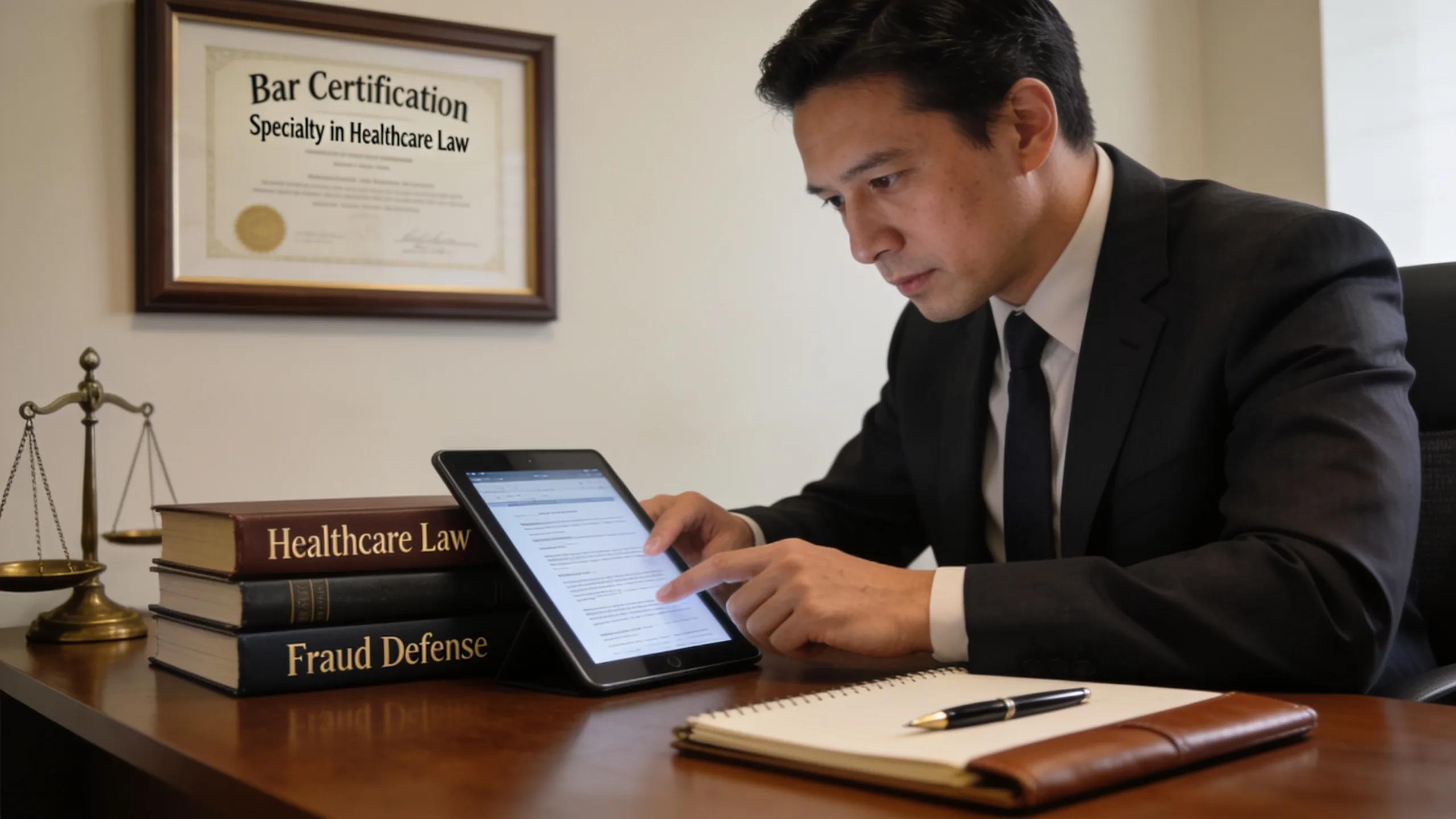
Healthcare fraud defense attorneys offer a variety of essential services, including:
- Risk Assessment: Conducting thorough evaluations of billing practices and compliance measures to identify potential vulnerabilities.
- Legal Consultation: Providing guidance on regulatory compliance and representing providers during audits and investigations.
- Defense Preparation: Developing strategies for potential legal challenges and ensuring that comprehensive documentation is in place.
By securing these specialized services, healthcare providers can enhance their preparedness and significantly reduce their exposure to legal challenges arising from government audits.
How to Build Effective Healthcare Compliance Programs to Prevent Audits
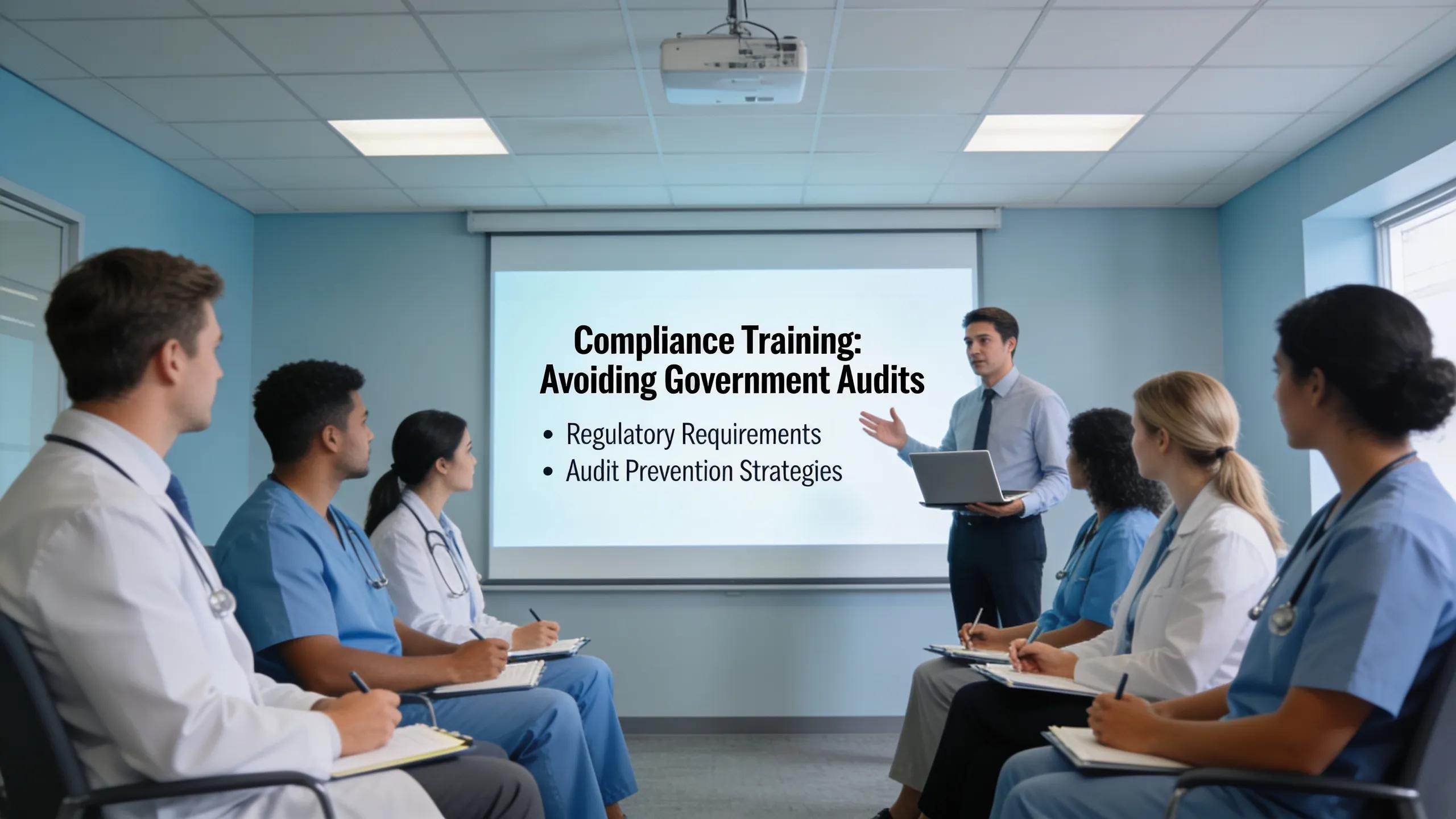
Building an effective healthcare compliance program is essential for avoiding audits and ensuring adherence to regulations. These programs should include elements such as regular training for staff, systematic compliance checks, and ongoing evaluations of operational practices. Key strategies include:
- Establishing Clear Policies: Defining compliance expectations and processes.
- Regular Training Sessions: Ensuring that all staff receive updated training on billing practices and regulatory requirements.
- Performance Monitoring: Conducting regular reviews and audits of practices and processes to identify areas for improvement.
These strategies not only protect against audits but also foster a culture of accountability within the organization.
How Do Compliance Programs Help Prevent Fraud Investigations?
Compliance programs significantly mitigate the risk of fraud investigations by emphasizing ethical practices and adherence to regulations. The critical aspects of compliance programs that help prevent such investigations include:
- Education and Training: Regular training helps staff understand the legal landscape, reducing the chances of unintentional errors.
- Monitoring and Auditing: Ongoing audits can identify anomalies in billing practices, allowing for immediate corrective action.
- Reporting Mechanisms: Establishing clear channels for reporting suspicious activity encourages a proactive approach to compliance.
By implementing these facets, organizations can demonstrate their commitment to compliance, thereby reducing their vulnerability to investigations.
What Are Proven Legal Defense Strategies Against Government Audit Investigations?
Proven legal defense strategies against government audit investigations include:
- Documentation Review: Ensuring that all documentation is accurate, complete, and readily available for review during audits.
- Preemptive Negotiations: Engaging with auditors early to resolve issues before they escalate into major investigations.
- Collaborative Defense: Working with compliance teams to align legal and operational strategies in response to inquiries.
These strategies not only enhance an organization’s defense but also foster constructive relationships with regulatory bodies.
What Are Recent Trends in Healthcare Audit Defense?
Recent trends in healthcare audit defense indicate a shift towards increased scrutiny and more rigorous enforcement of compliance regulations. Key trends include:
- Tech Adoption: Many organizations are implementing technology solutions to facilitate compliance monitoring and data analysis.
- Heightened Regulatory Focus: Government agencies are becoming more vigilant, focusing on areas previously considered low-risk.
- Emphasis on Training: Organizations are increasingly investing in training their employees to understand compliance risks better.
Staying informed about these trends can help providers adapt their strategies effectively.
Which Practical Tips Help Healthcare Providers Prepare for Government Audits?
Healthcare providers can benefit from several practical tips when preparing for government audits:
- Maintain Accurate Records: Keeping meticulous records of billing practices and patient care can protect against claims of wrongdoing.
- Conduct Internal Audits: Regular internal audits can identify compliance issues before they lead to formal investigations.
- Engage Legal Counsel: Having a compliance attorney available for consultation can provide critical insights and guidance during audits.
These preparations can make a significant difference in managing audit outcomes effectively.
What Are Cost-Effective Strategies to Avoid Healthcare Regulatory Penalties?
Providers can adopt several cost-effective strategies to minimize regulatory penalties:
- Invest in Compliance Training: Regular training sessions can prevent violations that lead to fines.
- Use Technology for Monitoring: Effective monitoring software can automate checks and alert staff to inconsistencies.
- Implement Anonymous Reporting Systems: Establishing channels for reporting unethical practices can lead to early identification of potential issues.
These strategies not only save resources but also enhance overall organizational integrity.
How Do Emerging Technologies Impact Healthcare Compliance and Audit Defense?
Emerging technologies play a pivotal role in enhancing healthcare compliance and audit defense. Notable impacts include:
- Automation of Compliance Checks: Automated systems can streamline monitoring processes and reduce human error.
- Data Analytics: Advanced analytics can identify patterns that suggest potential fraud or compliance issues.
- Blockchain in Record Keeping: The use of blockchain technology can enhance transparency and traceability in transactions and records.
These technological advancements provide healthcare providers with innovative tools to navigate the complexities of compliance more effectively.
How Can Providers Integrate Technology into Compliance Programs?
Providers can integrate technology into their compliance programs through several strategic initiatives:
- Adopting Compliance Management Software: This software can streamline processes, documentation, and training within compliance programs.
- Utilizing Data Analytics for Risk Assessment: Data analytics tools can help providers identify trends and potential risks in their billing practices.
- Implementing Electronic Health Records: EHRs can enhance data accuracy and accessibility, supporting compliance efforts.
By prioritizing technology integration, healthcare providers can enhance their compliance programs and better protect themselves against audits.