


Navigating the complexities of the UPIC audit process can be daunting for healthcare providers. This guide outlines essential strategies and legal insights to effectively manage UPIC audit defense while ensuring compliance. Readers will learn about the nature and significance of UPIC audits, legal rights and requirements, preparation tactics, response strategies, and potential post-audit actions. Many providers encounter challenges when navigating audits, facing significant implications for their practices and finances. This article offers practical solutions, preparing you to handle UPIC audits with confidence.
What Is a UPIC Audit and Why Does It Matter for Healthcare Providers?
A UPIC audit, or Unified Program Integrity Contractor audit, is a comprehensive examination conducted to investigate potential fraud and ensure compliance among healthcare providers. These audits are vital for maintaining the integrity of federal healthcare programs like Medicare and Medicaid. They play a crucial role in identifying irregular billing practices, safeguarding against fraud, and ensuring that providers adhere to strict regulations outlined by the Centers for Medicare and Medicaid Services (CMS).
Understanding UPIC’s Role in Healthcare Fraud Investigations
UPICs are essential players in healthcare fraud investigations, as they coordinate with law enforcement agencies to identify and prevent fraudulent activities. The audits they conduct can significantly impact healthcare providers, leading to financial penalties and reputational damage if fraud is detected. In recent years, studies indicate a growing trend in the number of audits performed, highlighting the urgency for providers to stay compliant and prepared.
Identifying Common Triggers for UPIC Audits
Understanding the common triggers for UPIC audits is vital for healthcare providers. Some frequent triggers include:
- Billing anomalies: Unusual billing patterns or excessive claims can prompt further scrutiny.
- High volume of claims: Providers with a disproportionately high number of claims relative to peers may attract attention.
- Patient complaints: Reports from patients regarding billing practices or treatment quality can initiate investigations.
By identifying these triggers, healthcare providers can implement preventive measures to reduce the likelihood of an audit.
What Legal Requirements and Rights Should Healthcare Providers Know During UPIC Audits?
Healthcare providers must be aware of their legal obligations and rights throughout the UPIC audit process. Understanding these aspects is essential to navigate audits successfully and protect their interests.
Key Compliance Obligations Under CMS and UPIC Guidelines
Healthcare providers must adhere to several compliance obligations outlined by the CMS and UPIC guidelines. These obligations include:
| Compliance Obligation | Description | Consequences of Non-Compliance |
|---|---|---|
| Accurate Billing | Ensure billing practices reflect actual services provided. | Possible financial penalties and increased scrutiny. |
| Documentation | Maintain thorough records supporting services billed. | Reduction in credibility and potential audit penalties. |
| Reporting Requirements | Adhere to reporting regulations to ensure transparency. | Legal implications and fines. |
These compliance requirements underscore the need for meticulous record-keeping and accuracy in billing.
Healthcare Provider Legal Rights and Protections in Audit Proceedings
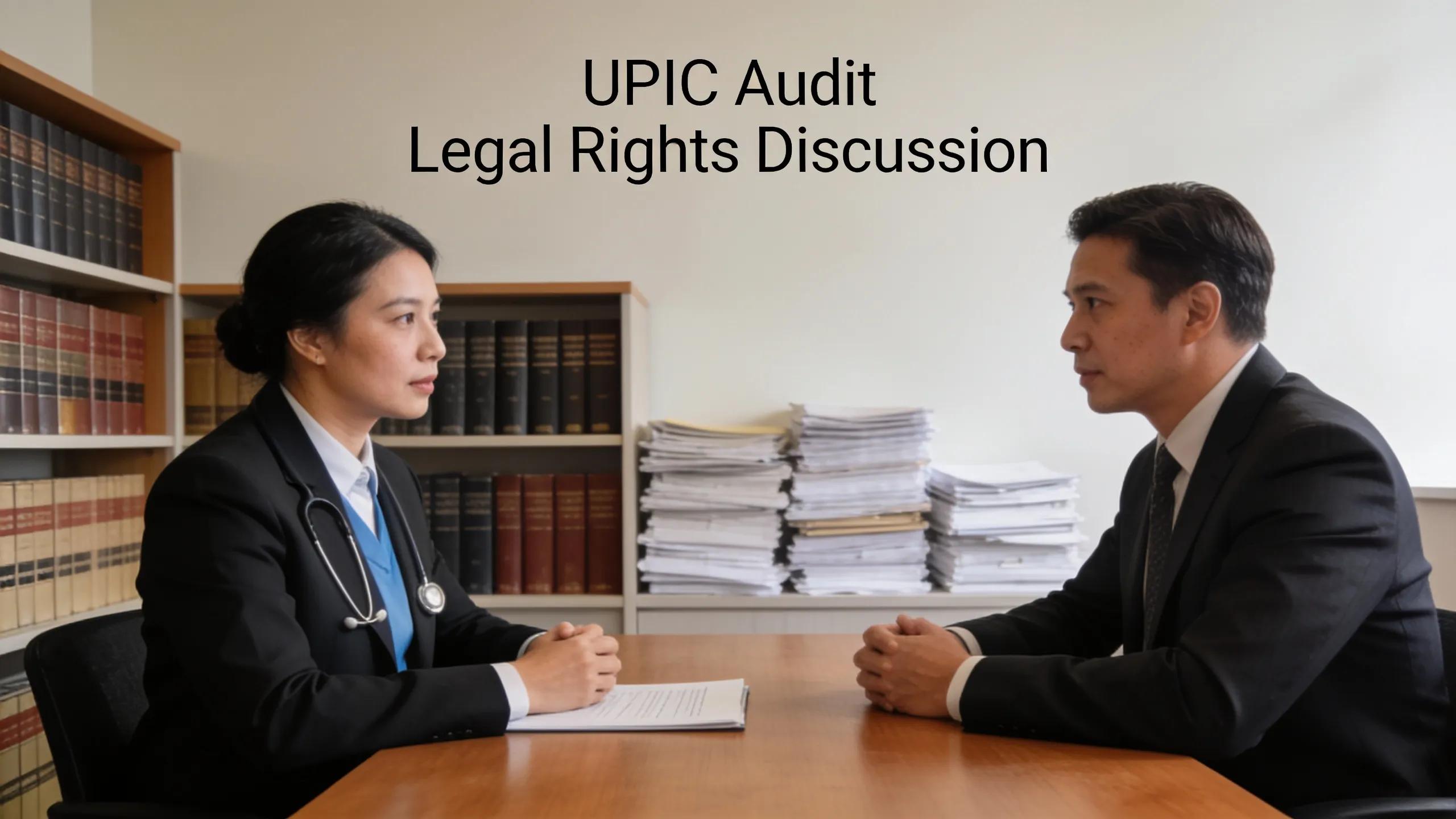
During UPIC audits, healthcare providers possess specific legal rights intended to protect them from unjust practices. Key rights include:
- Right to legal representation: Providers may engage legal counsel during the audit process to advocate for their interests.
- Right to appeal: If discrepancies are found, providers can contest UPIC findings through formal appeal processes.
- Right to timely responses: Auditors must communicate findings effectively, allowing providers adequate time to respond.
Understanding these rights empowers providers to navigate audits more effectively while safeguarding their professional standing.
How Can Healthcare Providers Prepare Effectively for a UPIC Audit?
Preparation is crucial when facing a UPIC audit. Implementing a proactive approach helps mitigate risks and enhance compliance.
Stepwise UPIC Audit Preparation Checklist and Risk Mitigation

Here are crucial steps healthcare providers should follow when preparing for a UPIC audit:
- Comprehensive Record Review: Ensure all patient records and billing documents are complete and accurate.
- Staff Training: Familiarize staff members with compliance protocols to prevent errors.
- Internal Audits: Conduct internal reviews periodically to identify potential issues before auditors do.
- Legal Consultation: Engage with legal professionals specializing in healthcare compliance for tailored advice.
Following this checklist can substantially reduce risks associated with UPIC audits and improve overall compliance.
Best Practices for Documentation and Compliance Review
Proper documentation is the backbone of successful UPIC audit defense. Effective practices include:
- Consistent Record Keeping: Maintain a systematic approach to patient records, including diagnostic and treatment notes.
- Detailed Billing Practices: Clearly document all services rendered, ensuring coding aligns with actual procedures performed.
- Regular Compliance Reviews: Schedule routine compliance assessments to identify and correct weaknesses in billing or documentation practices.
These practices establish a solid foundation for defending against potential UPIC audit claims.
What Are the Recommended Response Strategies to UPIC Audit Notices?
When notified of a UPIC audit, prompt and strategic responses are paramount for healthcare providers facing scrutiny.
Documenting Evidence and Building a Strong Legal Defense
Upon receiving an audit notice, providers should gather all pertinent documentation to construct a strong defense. Key strategies include:
- Compiling Relevant Records: Gather billing data, patient charts, and other records that support services billed.
- Engaging Legal Counsel: Involve legal advisors to identify potential weaknesses in the audit findings and advise on response strategies.
- Preparing a Detailed Response: Prepare a clear and concise response addressing each point raised in the audit notice, supported by documented evidence.
These steps can greatly improve the chances of a favorable audit outcome.
The Role of Legal Representation in UPIC Audit Responses
Legal representation is critical during UPIC audits. An attorney specializing in healthcare law can:
- Advocate Effectively: A legal expert can communicate directly with auditors, ensuring the provider’s perspective is adequately represented.
- Navigate Complex Regulations: Legal professionals are skilled at navigating the complex regulatory landscape, helping providers avoid missteps.
- Strategize Appeals: In cases where audits yield unfavorable outcomes, legal representation can guide healthcare providers through the appeals process effectively.
The inclusion of legal counsel is crucial in maximizing the potential for a positive audit outcome.
What Post-Audit Actions Can Healthcare Providers Take, Including Appeals?
After an audit, healthcare providers have various options for addressing findings and protecting their interests.
Procedures for Challenging UPIC Findings and Appeal Rights
If a UPIC audit reveals discrepancies, providers have the right to contest the findings. Steps to consider include:
- Reviewing Findings: Carefully analyze the audit results to understand the basis for discrepancies.
- Gathering Additional Evidence: Compile further documentation that supports your case.
- Formally Contesting Findings: Submit a written appeal to challenge the auditor’s conclusions based on the gathered evidence.
This process ensures providers’ rights are upheld and that they are given a fair chance to contest unfavorable outcomes.
Recent Trends in UPIC Audit Appeals and Success Rates
As of 2023, trends in UPIC audit appeals show an increasing focus on substantiating legal rights during audits. Reports indicate a significant success rate in appeals when providers effectively present documented evidence and engage legal representation. These trends highlight the importance of well-prepared defense strategies and informed legal advocacy in maximizing appeal outcomes.
What Case Studies and Recent Regulatory Updates Inform Current UPIC Audit Defense?
Analyzing recent successful UPIC audit defense cases provides valuable insights for healthcare providers facing audits.
Analysis of Successful UPIC Audit Defense Cases in 2023
Case studies reveal that providers who proactively addressed UPIC audit findings through comprehensive documentation and legal counsel experienced significantly better outcomes. For instance, a regional medical practice faced a UPIC audit due to an uptick in billing anomalies; upon engaging legal representation and compiling substantial evidence, they successfully contested the audit findings, avoiding severe penalties.
Impact of 2023 Federal Audit Regulation Changes on Healthcare Providers
Changes in federal regulations as of 2023 have significantly influenced the audit landscape, enhancing protections for healthcare providers. Recent updates emphasize transparency in the audit process and provide clearer guidelines regarding the appeals process, ultimately benefiting providers. As these regulations evolve, staying informed and adaptable is essential for healthcare providers to navigate the complexities of UPIC audits successfully.