


Receiving a subpoena from the Office of Inspector General (OIG) can herald serious implications for healthcare providers. This comprehensive guide will explore essential strategies for responding effectively to subpoenas in the face of OIG investigations. From understanding the nature of an OIG subpoena to developing robust compliance protocols, healthcare providers will learn critical best practices for navigating these challenging legal waters. Many professionals face uncertainty and anxiety when dealing with legal matters, particularly those related to potential fraud investigations. This article aims to equip healthcare providers with knowledge and practical steps to mitigate risks and protect their interests. Key sections will cover the definition and implications of OIG subpoenas, actionable compliance checklists, effective defense strategies, and relevant case studies to highlight successful outcomes.
What Is an OIG Subpoena and How Does It Initiate Healthcare Fraud Investigations?
An OIG subpoena is a formal document requiring the recipient to provide information or documents pertinent to an investigation into potential healthcare fraud. These subpoenas are critical tools that the OIG employs to gather evidence and ensure compliance with healthcare regulations. When a subpoena is received, it triggers a series of actions that healthcare providers must navigate carefully to avoid legal pitfalls. Understanding these subpoenas is essential because they set in motion the investigative processes aimed at uncovering potential fraud, and thus signify the importance of legal compliance and procedural integrity.
What Roles Does the Office of Inspector General Play in Subpoena Processes?
The Office of Inspector General (OIG) plays a pivotal role in overseeing compliance with healthcare laws, particularly regarding fraud investigations. Their responsibilities include issuing subpoenas to gather evidence, determining the scope of investigations, and ensuring that healthcare providers adhere to regulatory standards. By documenting the subpoena processes, the OIG establishes a framework for investigation and accountability. Healthcare providers must recognize the authority of the OIG and the legal obligations imposed on them, as failure to comply can lead to severe penalties.
What Are the Legal Implications of Receiving an OIG Subpoena?
Upon receiving an OIG subpoena, healthcare providers face several legal implications, including the obligation to respond timely and accurately to the demands outlined in the document. Non-compliance can result in significant legal penalties, including fines and potential civil or criminal charges. Furthermore, the consequences of disregarding a subpoena can extend to reputational damage and loss of trust among patients and professional counterparts. Healthcare providers must understand these risks to forge an effective response strategy.
What Are the Step-by-Step Subpoena Compliance Checklist and Immediate Response Actions?
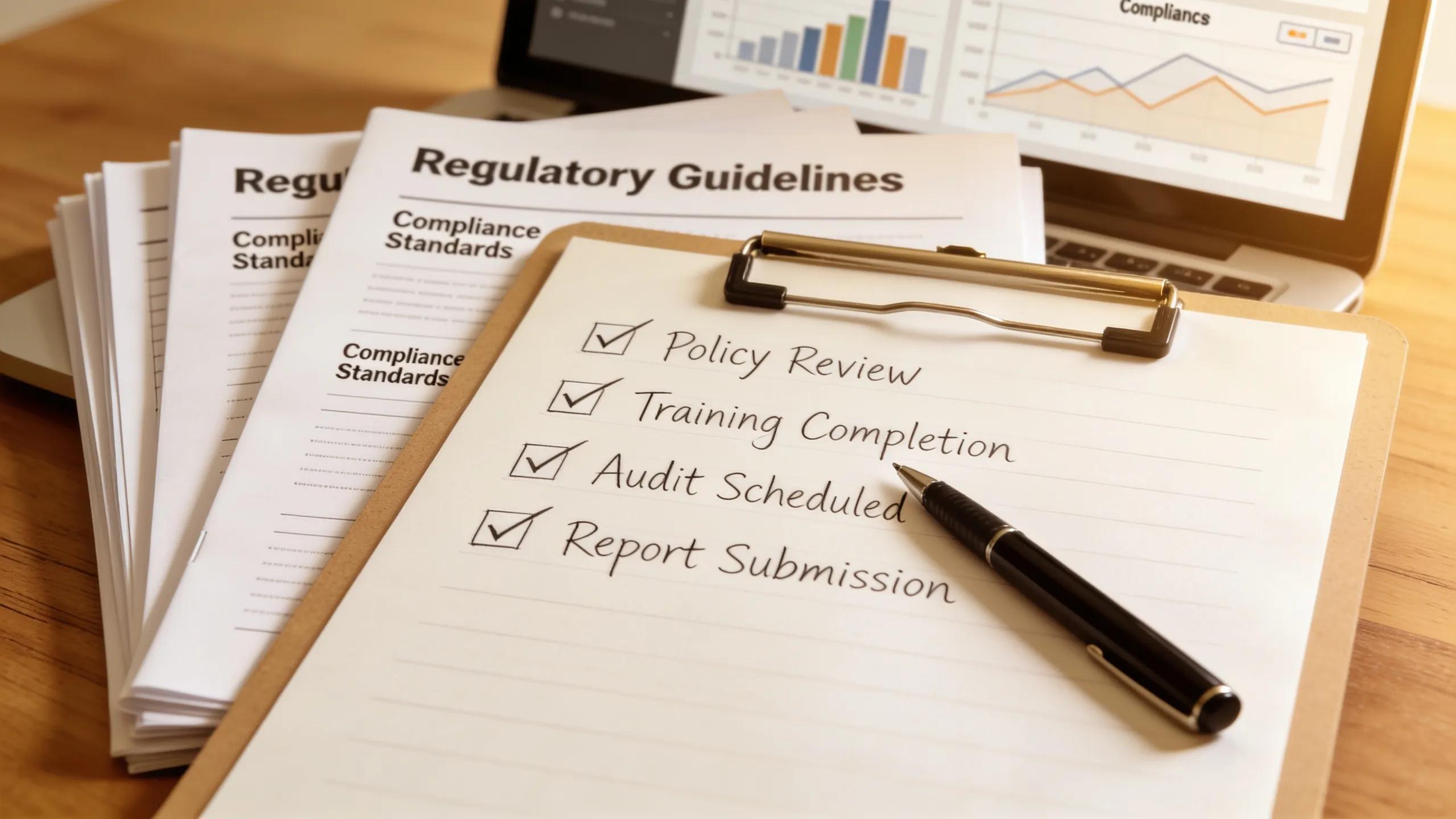
Complying with an OIG subpoena involves a systematic approach designed to ensure that all requirements are met. A well-defined checklist can help healthcare providers navigate the complexities of compliance effectively. Following these steps can minimize risks associated with mismanagement of the subpoena process.
- Understand the Subpoena Scope: Thoroughly review the document to grasp its demands and timeframe.
- Gather Required Documents: Identify and compile the documents requested in the subpoena.
- Document Communication: Maintain a clear record of all communications related to the subpoena.
- Consult Legal Counsel: Involve experienced legal advisors to guide the response and compliance process.
How to Verify and Document Subpoena Date, Scope, and Compliance Deadlines?
Verifying the subpoena’s date and compliance deadlines is crucial for a proper response. Organizing this information can help streamline the compliance process. Providers should document:
- Date of Receipt: The exact date the subpoena was received.
- Scope of Requests: What documents or information is specifically requested.
- Compliance Deadlines: Key dates for submission and any additional requirements stated in the subpoena.
Which Documents and Records Are Commonly Requested in an OIG Investigation?
OIG investigations often request various documents related to patient care, billing practices, and operational records, which may include:
- Patient Records: Detailed patient treatment documentation.
- Billing Information: Claims submitted to Medicare or Medicaid.
- Compliance Policies: Internal policies outlining how the provider addresses compliance issues.
What Legal Defense Strategies Can Healthcare Providers Use During OIG Audits and Fraud Investigations?

Healthcare providers can utilize a range of legal defense strategies when facing OIG audits and investigations. Such strategies aim to mitigate risks while ensuring compliance with regulatory frameworks. Effective legal counsel can be instrumental in developing and executing these strategies, providing guidance on navigating complex legal negotiations and responses.
- Engaging a Healthcare Fraud Investigation Lawyer: Securing legal representation is vital for navigating complex legal negotiations and responses.
- Developing a Response Protocol: Establish clear procedures for handling subpoenas and OIG inquiries.
- Implementing Preventive Measures: Adopt compliance training and monitoring to reduce the risk of future investigations.
How to Engage a Healthcare Fraud Investigation Lawyer for OIG Subpoena Defense?
When facing an OIG subpoena, enlisting a knowledgeable healthcare fraud investigation lawyer is essential. These professionals understand the intricacies of healthcare law and can provide tailored advice based on the specifics of the case. Engaging a lawyer can help ensure that all procedural requirements are met and that rights are protected during the investigative process.
Which Risk Mitigation Techniques Protect Providers During Regulatory Investigations?
Healthcare providers can implement several risk mitigation techniques to safeguard against potential adverse outcomes during regulatory investigations. Effective techniques include:
- Conducting Internal Audits: Performing regular audits can help identify compliance gaps before they escalate into problematic investigations.
- Training Employees: Ensuring that all staff are well-informed about compliance and regulatory requirements minimizes risks and instills a culture of accountability.
- Establishing Clear Policies: Developing and regularly updating internal policies can help guide staff in compliance efforts and response to investigations.
How to Legally Respond to Subpoenas: Best Practices for Effective OIG Subpoena Handling?
Responding to OIG subpoenas requires attention to detail and a strategic approach. Best practices involve understanding legal obligations while safeguarding sensitive information. A thorough understanding of legal obligations related to OIG subpoenas is paramount.
- Conduct a Comprehensive Review: Assess the subpoena request to determine all document requirements.
- Prepare a Timely Response: Ensure that all materials are compiled and submitted within the specified timeframe.
- Communicate with Legal Counsel: Collaborating with legal advisors throughout the response process is critical for compliance.
What Are Common Pitfalls and Consequences of Non-Compliance with OIG Subpoenas?
Many healthcare providers unknowingly fall into common pitfalls when addressing OIG subpoenas, such as misreading compliance deadlines or failing to provide requested documents adequately. The consequences of non-compliance can be severe, leading to legal repercussions such as fines or further investigations. Understanding these pitfalls is crucial for healthcare providers to develop effective response strategies.
How Can Healthcare Providers Prepare for Enforcement Actions and Investigative Follow-Ups?
To better prepare for potential enforcement actions, healthcare providers should establish proactive measures that encompass comprehensive compliance plans and response protocols. Continuous training and regular assessments of compliance strategies can help ensure readiness for future inquiries or investigations.
What Are Real-World Case Studies Demonstrating Successful OIG Investigation Defense?
Studying real-world case studies can offer valuable insights into effective defense strategies when responding to OIG investigations. Various healthcare providers have successfully navigated subpoenas and audits by implementing strategic defenses, ensuring compliance, and protecting their interests through diligence and legal expertise.
Which Defense Outcomes Highlight Effective Subpoena Response Protocols?
Several defense outcomes have illustrated the benefits of proactive subpoena response strategies. Providers who maintained meticulous documentation and engaged legal counsel early in the process often found themselves in favorable positions, which minimized penalties and preserved their reputations. These cases affirm the significance of being prepared and knowledgeable about handling subpoenas.
How Do Updated OIG Enforcement Trends Impact Defense Strategies?
With the evolving landscape of OIG enforcement trends, healthcare providers must remain vigilant in adapting their defense strategies accordingly. Changes in regulatory frameworks and increased scrutiny mean that keeping current with compliance practices is more critical than ever. Healthcare providers should remain informed on new trends and adjust their compliance programs to align with evolving regulatory obligations.
What Are Frequently Asked Questions on OIG Subpoenas and Healthcare Provider Rights?
Offering clarifications on frequently asked questions can help demystify the intricacies surrounding OIG subpoenas for healthcare providers. Understanding individual rights can empower providers in their compliance efforts.
What Is the First Step After Receiving an OIG Subpoena?
Upon receiving an OIG subpoena, the first step is to review the document thoroughly. Providers should assess the scope, compliance deadlines, and required documents, and then consult legal counsel to address any concerns regarding the request.
How Long Do Healthcare Providers Have to Comply with Subpoena Requests?
Healthcare providers typically have a compliance window, often set at 30 days from the receipt of the subpoena. It is crucial that providers act promptly and adhere to all specified deadlines to avoid potential penalties for non-compliance.