


In 2006, the Florida Supreme Court struck down section 409.920(2)(e), Florida Statutes — the anti-kickback provision at the heart of Florida’s Medicaid fraud statute — holding that the state law directly conflicted with federal law and could not stand. That decision reshaped enforcement priorities across Florida’s healthcare system, and providers caught in the crosshairs of Medicaid fraud investigations have since relied on firms like The Health Law Offices of Anthony C. Vitale, P.A. to navigate the legal fallout.
Key Takeaways
- Florida’s Supreme Court struck down section 409.920(2)(e) of the Florida Medicaid fraud statute in 2006.
- State v. Harden, 938 So. 2d 480, established federal preemption over Florida’s anti-kickback provision.
- The Third District Court of Appeal first declared the Florida anti-kickback statute unconstitutionally invalid.
- Federal anti-kickback law supersedes conflicting state Medicaid fraud statutes under constitutional preemption doctrine.
What happened in State v. Harden Florida?
State v. Harden Florida is one of the defining cases in Florida Medicaid fraud law history. On May 18, 2006, the Florida Supreme Court affirmed the Third District Court of Appeal Medicaid decision and made it definitive: the Florida Medicaid anti-kickback statute unconstitutional holding under section 409.920(2)(e) was now the law of the land. Any provider who had continued operating under the assumption that the state statute remained enforceable faced a stark reality — they could have been prosecuted under a provision the state’s own highest court had already thrown out.
The case traced its origins to December 2000, when the Office of the Statewide Prosecutor filed a nine-count information against ten individuals connected to three dental corporate entities. Anthony C. Vitale — founder of the Miami Lakes, FL-based Health Law Offices of Anthony C. Vitale, P.A. — argued the case before the Third District Court of Appeal on January 28, 2003, setting in motion the appellate chain that would ultimately reach Florida’s highest court.
Why did the court strike down Florida’s anti-kickback provision?
The Florida Supreme Court was unambiguous: the state’s Medicaid anti-kickback provision directly conflicted with federal law and could not survive that conflict. Under the doctrine of federal preemption Medicaid fraud law, a state statute must yield whenever it clashes with the federal framework — and Florida’s version failed that test squarely.
How does the Medicaid anti-kickback federal vs state tension affect providers today?
The Medicaid anti-kickback federal vs state divide didn’t dissolve after Harden — it simply shifted terrain. Federal anti-kickback rules still govern Florida providers in full, and Florida Medicaid fraud enforcement 2024 proceeds squarely under those federal standards. Providers working through this landscape need counsel with deep familiarity in both federal and state regulatory frameworks, where the boundaries can shift with every enforcement cycle.

Why was Florida’s Medicaid anti-kickback statute unconstitutional?
The Florida Medicaid anti-kickback statute unconstitutional ruling didn’t emerge from a technicality — it grew from a genuine, substantive collision between state and federal law. The Florida Supreme Court held that Section 409.920(2)(e) of the Florida Statutes, the anti-kickback provision of the state’s Medicaid fraud law, directly conflicted with its federal counterpart and could not be enforced alongside it.
At the center of this chapter in Florida Medicaid fraud law history sits State v. Harden Florida, decided by the Florida Supreme Court on May 18, 2006. The Third District Court of Appeal Medicaid ruling had first declared the provision invalid, and the Supreme Court’s affirmance sealed that outcome. Every defendant in the case — including the multiple dentists named in the original prosecution — walked away with charges dismissed.
What does federal preemption mean in Medicaid anti-kickback cases?
Federal preemption Medicaid fraud law is the constitutional principle that kicks in when a state statute conflicts with federal law — the state provision simply becomes unenforceable. The Medicaid anti-kickback federal vs state tension that Harden exposed ran deep enough to draw scholarly attention: commentary published in the Dickinson Law Review took up the question of whether the federal Anti-Kickback Statute carries broad preemptive authority over state equivalents, a debate the case brought sharply into focus.
How does the Harden ruling affect Florida Medicaid fraud enforcement 2024?
Florida Medicaid fraud enforcement 2024 still plays out against the backdrop of Harden, a ruling that fundamentally changed how both prosecutors and providers read their state anti-kickback obligations. Healthcare providers facing Medicaid investigations in Florida gain a real advantage with counsel who knows this precedent inside out — the Health Law Offices of Anthony C. Vitale, P.A., based in Miami Lakes, FL, has been guiding providers through exactly these issues for decades.
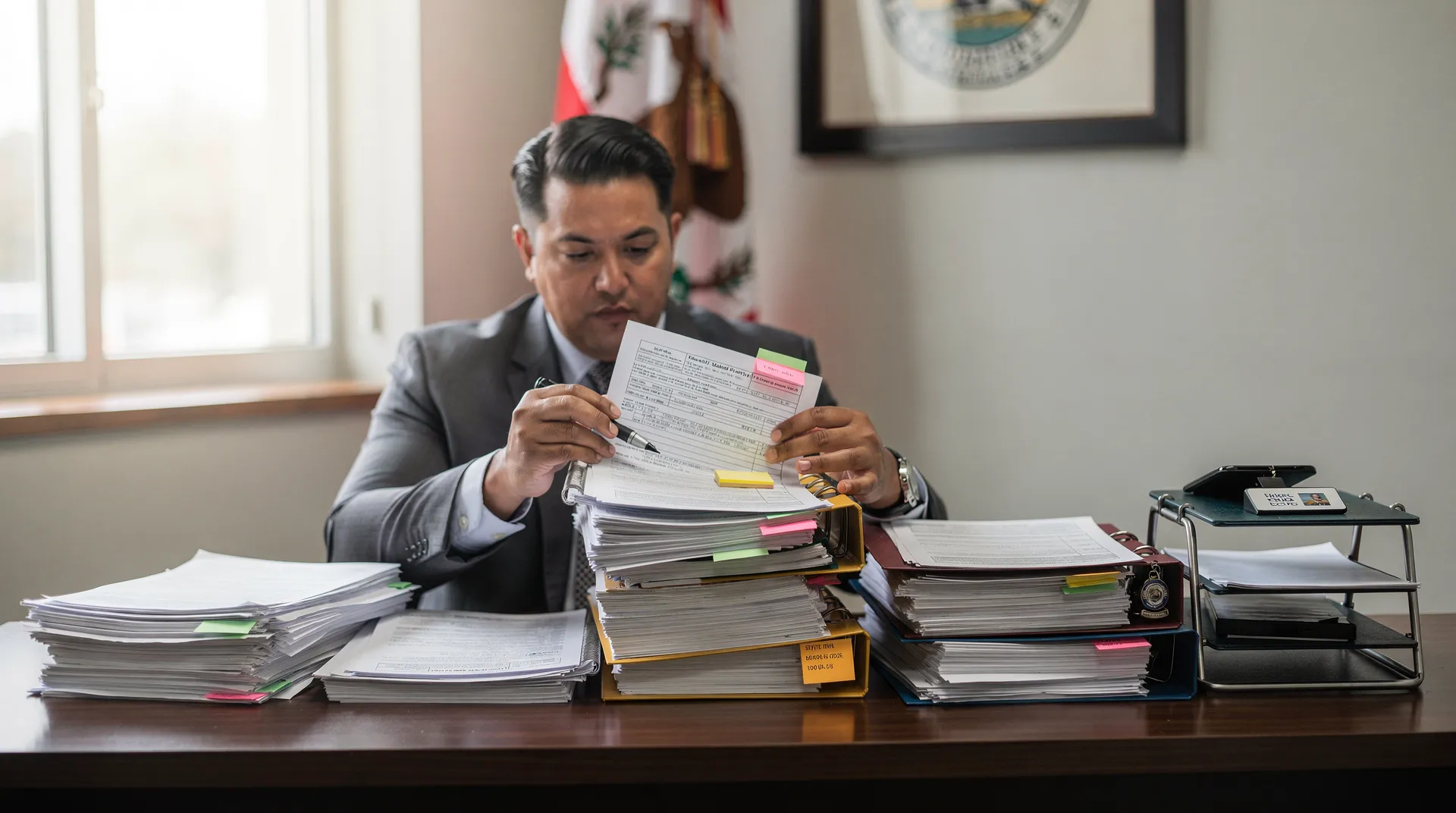
How does this ruling shape Florida Medicaid fraud enforcement today?
State v. Harden Florida didn’t just chip away at the enforcement landscape — it permanently removed a key prosecution tool the state had long relied upon. By striking down the Florida Medicaid anti-kickback statute unconstitutional provision, the court left Florida prosecutors without any independent state-law basis to charge anti-kickback violations separate from the federal standard.
Why does federal preemption matter for Florida providers?
Federal preemption Medicaid fraud law draws a hard line: Florida cannot enforce a Medicaid anti-kickback provision that conflicts with the federal Anti-Kickback Statute. The Third District Court of Appeal Medicaid ruling in January 2004 was the first to declare section 409.920(2)(e) preempted, and the Florida Supreme Court confirmed that conclusion on May 18, 2006. The practical result of this Medicaid anti-kickback federal vs state divide is that prosecutors now work exclusively from federal statutes — the broader state version is off the table.
How does this shape Florida Medicaid fraud enforcement today?
Florida Medicaid fraud enforcement 2024 operates within constitutional limits that were drawn more than two decades ago. The circuit court first declared the statute unconstitutional on February 5, 2003, and providers have been living with that reshaped enforcement environment ever since — a reality grounded in this Florida Medicaid fraud law history that still catches unprepared providers off-guard. The Health Law Offices of Anthony C. Vitale, P.A. represented the appellees in Harden and has continued serving Florida providers through the enforcement shifts that followed, bringing more than 30 years of experience to the federal-state compliance fault lines that define this area of law.
State v. Harden is a clear-eyed reminder that the boundary between state and federal healthcare fraud enforcement is neither fixed nor obvious. When Florida’s anti-kickback statute runs into federal Medicaid law, the constitutional doctrine of preemption calls for careful, case-specific analysis — not assumptions about parallel enforcement authority that may simply not exist. Providers facing state-law prosecution carry meaningful arguments grounded in federal supremacy, and knowing how to wield those arguments can make the difference between a successful defense and an unnecessary conviction in an enforcement climate that shows no signs of letting up.
FAQ
What did the Florida Supreme Court decide in State v. Harden?
The Florida Supreme Court affirmed that section 409.920(2)(e) of Florida’s Medicaid fraud statute was unconstitutional, holding it directly conflicted with federal law and was therefore preempted by it.
Who argued the case before the Third District Court of Appeal?
Anthony C. Vitale, founder of The Health Law Offices of Anthony C. Vitale, P.A. in Miami Lakes, FL, argued the case before the Third District Court of Appeal on January 28, 2003.
What happened to the defendants after the Florida Supreme Court ruled?
The court dismissed all charges against all defendants, including multiple dentists named in the original prosecution that began with a nine-count information filed in December 2000.